Mounjaro - weight loss price changes ahead. Explore your options

Marvelon

In Stock

Prices from £39.95
Review More Prices

Get Started
You must complete a short online consultation so that our prescriber can ensure that the treatment is suitable for you.
Order now to receive your order Tuesday, December 01
All inclusive service
No hidden fees

Next day delivery
Discreetly packaged
Discreet delivery
Prescription included
Our doctors assess you online
How to order
  1. Click on the green "Get Started" button, then click "Start Consultation" button on the next page.
  2. Fill in our short consultation form.
  3. Choose delivery method and mode of payment.
  4. Our team of expert prescribers will assess whether medication is suitable.
  5. If you get the green light and it is deemed suitable, your order will be processed quickly and efficiently.
Confidential Service

Your privacy is important, Prescription Doctor are committed to keeping your details completely confidential.

This is why we also take steps to conceal your prescription products under two layers of packaging.

Delivery and Packing
Discreet Delivery?

We have a commitment to delivering a discreet service and understand your need for privacy. We ship all orders via a trackable courier using discreet, plain packaging.

Do I Need to Wait in All Day for Delivery?

Once your order is dispatched you will receive a tracking number via sms and email.

Do You Deliver on Weekends?

We deliver medications between Monday and Saturday. You can upgrade to Saturday delivery on Friday.

My Order Hasn’t Arrived What Should I Do?

You should receive a tracking number with your order which you can use this number to track your parcel online. This should give you a clear indication of where your parcel is. If you haven’t received your parcel in the time frame given by our couriers, contact your local depot to find out where it is. You can also contact our support team who will do this for you.

Can I Be Notified by Text?

On checkout you will be asked to leave your mobile number so our courier can text you about the delivery. This is also useful if the courier has problems finding your address. We will not use your mobile number for anything else.

Payment Methods
How Can I Pay for My Order?

You can pay for your order using credit, debit card or via bank transfer.

I Don’t Have a Credit Card, How Can I Pay?

If you don’t have a credit or debit card you can pay via bank transfer. We will give you a unique reference number at checkout along with details of how to make the transfer. Once the money has cleared in our account, we will process your order.

How Do You Keep My Details Safe?

We are a completely secure site and take many measures to ensure your details are kept safe. We understand that you have a right to extreme privacy when purchasing sensitive health medications. All information that you provide to us is stored on our secure servers. Any payment transactions will be encrypted using SSL technology.

Payment and refunds?

You can pay for your order using credit, debit card and bank transfer.

Card Payment: Please notify us that you wish to cancel your order. Your refund will show available In 1 - 3 days.

Bank Transfer: A member of our team will contact you requesting for your bank details. These details are only used to transfer the funds back into your account.

Treatment Information

Table of contents

What is Marvelon?

Marvelon is a combined contraceptive pill that contains 2 artificial hormones: 150 micrograms (mcg) of desogestrel (progesterone) and 30 mcg of ethinylestradiol (oestrogen).

Like other combined oral contraceptives (COCs), Marvelon is reliable and reversible. When used correctly, it is over 99% effective at preventing unwanted pregnancy. However, when typical use is taken into consideration, such as being sick, having severe diarrhoea, or missing pills, it is closer to being 91% effective. That means 9 out of 100 people taking Marvelon will get pregnant each year.

In addition to being an effective birth control pill, Marvelon can also reduce premenstrual symptoms and make your periods more regular and less painful.

While Marvelon can prevent pregnancy, it does not prevent sexually transmitted infections (STIs) such as chlamydia, gonorrhoea or HIV. To prevent the transmission of STIs, you should use condoms.


How Does Marvelon Work?

Marvelon contains two ingredients that mimic the natural female sex hormones, oestrogen and progesterone, called ethinylestradiol and desogestrel. These components work together to prevent pregnancy in 3 ways:

  1. Prevents ovulation: Marvelon's main action is to stop the release of an egg from the ovaries each month.
  2. Thickens cervical mucus: Makes it difficult for sperm to pass through the cervix and enter the womb.
  3. Thins the womb lining (endometrium): A thinner womb lining makes it less suitable for a fertilised egg to implant.

Both ethinylestradiol and desogestrel are synthetic hormones designed to be absorbed more efficiently when taken orally and to be more potent.

How Long Does the Marvelon Pill Take to Work?

Marvelon works straight away to prevent pregnancy if it's taken on the first day of your period. Otherwise, you should wait until day 5 and use additional contraception such as condoms until you have correctly taken your first 7 pills. After this, you will be protected from pregnancy, provided you continue to take Marvelon as prescribed.

How To Take Marvelon

You must take Marvelon as instructed by your doctor to prevent an unwanted pregnancy.

Marvelon is available in 21-pill strips, each marked with the corresponding day of the week.

  1. Start by taking a pill marked with the correct day of the week.
  2. Follow the arrows on the strip. Take one pill each day until you finish all 21 pills.
  3. Once you have finished the strip, you should take a 7-day break from taking any pills. If you finish your last pill on a Friday, you should take the first pill of your next pack on the Saturday of the next week.
  4. During your 7-day pill-free break, you should have a withdrawal bleed similar to a period. As long as you have taken your pills correctly, you don't need to use additional contraception during these seven pill-free days.
  5. You should start your next strip even if you are still bleeding. If taken correctly, you should take the first pill of each pack on the same day.

Swallow each pill whole with a glass of water. Do not crush or chew the pills.

When Should I Start Taking Marvelon?

There are two ways to start taking Marvelon. These apply regardless of whether you're brand new to the medication or returning to it after a break. Which method to use depends on where you are in your menstrual cycle.

  1. Start of Cycle: If you start taking Marvelon on the first day of your period, you will be protected right away.
  2. During Cycle: If your period has already started, begin taking Marvelon on the 5th day of your period, regardless of whether your bleeding has stopped. You must use additional contraception until you have taken the first seven pills correctly.

How to Switch to Marvelon From Another Combined Pill

If you are taking another contraceptive pill, speak to your doctor or clinician before switching to Marvelon. They will guide you through the process safely and effectively. Instructions will usually depend on what type of pill you're currently using and are as follows:

  • 21-day pill: Begin taking Marvelon the day after your previous strip ends.
  • 28-day pill: Start taking Marvelon the day after your last active pill.

In both cases, you will be protected from pregnancy straight away from taking your first Marvelon pill. However, you will not experience a withdrawal bleed until you complete your first full strip.

How to Switch to Marvelon From a Mini Pill

If you are taking a progestogen-only pill (mini pill or POP), start taking Marvelon on the first day of bleeding, even if you have taken a progestogen-only pill on that day. In this case, you will be protected right away. If you don't have a withdrawal bleed while taking the progestogen-only pill, you can stop taking it and start taking Marvelon the next day. However, you will need to use additional contraception, such as condoms, for the first 7 days.

If you are unsure when to start or how to take Marvelon, speak to your doctor or ask a pharmacist for advice.

What Should I Do if I Miss a Marvelon Pill?

If you miss a pill, what you need to do will depend on how much time has elapsed. For anything up to 12 hours overdue, take Marvelon straight away and then continue taking your pills at the normal time, even if that means taking 2 pills in one day. You will still be protected against pregnancy.

If you should have taken your pill more than 12 hours ago, or have missed more than one tablet, follow the advice below:

  • Immediately take the most recently missed pill
  • Leave any other missed tablets in the strip
  • Take your next pills as usual, even if that involves having 2 the same day
  • Use extra contraception (like condoms) for the next 7 days

What to do next depends on how many Marvelon pills you currently have in your pack:

7 or More Tablets in the Pack:

  • Remember to use additional precautions for the next 7 days
  • When you finish your strip, take your usual pill-free break for 7 days before starting a new one

Fewer than 7 Tablets in the Pack:

  • Remember that you need extra precautions for the next 7 days
  • When you finish your current strip of tablets, start the next one the following day. Do not take a pill-free gap
  • If you don't experience a withdrawal bleed after finishing the second strip, take a pregnancy test before starting a new one

It's important to note that if you miss one or more pills for your first week of the strip (days 1 to 7) and have unprotected sex during that week, there is a chance of becoming pregnant. Speak to your clinician or family planning nurse for advice, as you may need emergency contraception.

If you miss any of the pills and do not experience a withdrawal bleed in the first pill-free break, you might be pregnant. Speak to your doctor as soon as possible, or take a pregnancy test.

If you delay the start of the new strip or extend your 7-day pill-free break, your protection may be reduced. If you had sex in the last 7 days in either scenario, speak to your doctor or a pharmacist for advice. You may require emergency contraception. You should also use additional contraception for 7 days.

What Should I Do If I Accidentally Take More Marvelon Than I Should?

If you take more than one Marvelon pill, it is unlikely to cause you any harm, but you may feel sick, vomit, or have some vaginal bleeding. If you get any of these symptoms, speak to your clinician for more advice.

What If I Am Sick Or Have Diarrhoea While Taking Marvelon?

If you are sick or have severe diarrhoea, your body may not absorb all of the ingredients in Marvelon. This could negatively impact the medication's efficacy.

How you should act in this situation depends on the symptoms you're experiencing:

  • If you are sick (vomit) within 3 to 4 hours of taking your pill, you should follow the advice for missed pills.
  • If you have severe diarrhoea for more than 12 hours while taking Marvelon, follow the instructions for a missed pill that is more than 12 hours late.

Should your upset stomach continue or get worse, speak to your clinician as they may recommend an alternative method of contraception.


Marvelon Side Effects and Cautions

There's no one-size-fits-all solution to medical conditions. Each treatment will have different ingredients and mechanisms of action, so what is safe and suitable for one person may not be so for another.

As a result, it's essential to have a clear understanding of potential side effects and warnings, so you can make a more informed decision about your chosen medication. If you're ever unsure, consult a clinician before taking anything.

Marvelon Side Effects

All medicines carry the risk of side effects, though not everyone will experience them. You must familiarise yourself with the side effects associated with Marvelon prior to starting treatment.

Potential Marvelon side effects include:


Common Side Effects
(Up to 1 in 10 people)
Uncommon Side Effects
(Up to 1 in 100 people)
Rare Side Effects
(Up to 1 in 1,000 people)
Breast pain or tenderness
Headaches
Mood changes (depression)
Nausea
Stomach aches
Weight gain
Breast enlargement
Decreased libido (low sex drive)
Diarrhoea
Fluid retention (swelling of the extremities)
Migraine
Skin problems (rash or hives)
Vomiting
Changes in vaginal discharge
Irregular vaginal bleeding
Milky fluid discharging from breasts
Allergic reactions
Intolerance to contact lenses
Erythema nodosum
Weight loss
Increased libido
Blood clots


Please note that this is not an exhaustive list of Marvelon side effects. Further information on the safety of the medication is available in the Patient Information Leaflet.

If you experience any side effects, whether listed above or in the patient information leaflet, please report them to your doctor or ask a pharmacist for advice. Alternatively, you can report them to the Medicines and Healthcare products Regulatory Authority's Yellow Card Scheme.

Potential Allergic Reaction

Do not take Marvelon if you are allergic to desogestrel, ethinylestradiol or any of its other ingredients listed in the patient information leaflet.

Marvelon contains lactose. Speak to your doctor before starting the treatment if you have been told you are sensitive to certain sugars.

If you experience the signs of an allergic reaction after taking Marvelon, stop taking Marvelon immediately. Seek immediate medical attention by going directly to your nearest accident and emergency department. Remember to take the packaging and any remaining medication with you, so that the doctors treating you know exactly what and how much you took.

Signs of an allergic reaction can include:

  • Chest tightening
  • Dry, red and cracked skin
  • Itchy, red, watery eyes
  • Raised, itchy, red rash (hives)
  • Swelling of the lips, tongue, eyes or face
  • Tummy pain, nausea, vomiting or diarrhoea
  • Wheezing

Risk of Blood Clots

Combined pills, like Marvelon, can slightly increase the risk of blood clots in users compared to people who have never taken them. If you experience any signs of a blood clot, seek urgent medical attention.

Things to watch out for include:

  • Swelling in one leg
  • Sudden unexplained breathlessness or rapid breathing
  • Immediate loss of vision
  • Chest pain, discomfort, pressure, or heaviness
  • Sudden weakness or numbness of the face, arm, or leg, especially down one side of the body
  • Severe headache
  • Coughing up blood

The risk of a blood clot in different people is shown in the table below:


 Risk of getting a blood clot in a year
Women who are not using a combined pill and are not pregnant~2 out of 10,000 women
Women using a combined pill that contains levonorgestrel, norethisterone, or norgestimate~ 5 to 7 out of 10,000 women
Women using Marvelon~ 9 to 12 out of 10,000 women


the The risk of developing a blood clot while taking Marvelon pills is highest during the first year of treatment, or if you're restarting the medication after a break of 4 weeks or more. Other factors can also influence the likelihood of complications arising, such as obesity, smoking, and a family history of blood clots. If you're due to have elective surgery or be off your feet for an extended period of time, it may not be suitable to use Marvelon, and other forms of contraception should be considered.

You can learn more about the risk of blood clots while taking Marvelon in section 4.4 of the Summary of Product Characteristics, which is available online. In addition, the Medicines and Healthcare products Regulatory Authority (MHRA) provides guidance about the risk of blood clots while taking combined oral contraceptive pills, while you can also consult the College of Sexual & Reproductive Healthcare (CoSRH).

As part of your contraceptive consultation, our clinicians will discuss your medical and family history to make sure Marvelon is safe and suitable for you to take.

Marvelon and The Risk of Breast Cancer

If you have or have ever had breast cancer, you should not take the pill as it slightly increases your risk. The risk also goes up the longer you stay on it, but returns to normal after 10 years of stopping.

The risk of getting breast cancer is:

  • 16 out of 10,000 women will get it by the time they are 35
  • 17 to 18 out of 10,000 women will have breast cancer by 35 if they take the pill for 5 years in their early twenties
  • 100 out of 10,000 women who have never taken the pill will get breast cancer by the time they are 45
  • 110 out of 10,000 women who take the pill for 5 years in their early thirties will get breast cancer by the time they are 45

The risk of breast cancer is increased if you:

  • Have a close relative who has had breast cancer
  • Are seriously overweight

Despite this, it's important to note that the overall risk of developing breast cancer is small. If you stop taking Marvelon, this will return to normal over time.


Who Should Not Take Marvelon?

Marvelon is not suitable for everyone. For example, it is generally not recommended if you are aged 35 or over and smoke, as this increases the risk of cardiovascular complications such as blood clots, heart attack, or stroke. Those who smoke 15 cigarettes or more a day are advised not to take combined contraceptives.

Some people may also be better suited to alternative forms of contraception, depending on their medical history and how they respond to hormonal medications. If you're ever unsure about the right treatment for you, consult your doctor or clinician.

Do not take Marvelon if you:

  • are or suspect you might be pregnant
  • have a history of blood clots (especially DVT or PE)
  • have cancer affected by sex hormones (cancer of the breast, womb lining or ovary)
  • have hepatitis C and are taking medicines containing ombitasvir/paritaprevir/ritonavir or dasabuvir
  • have or had a liver tumour
  • have or had pancreatitis associated with fatty substances in your blood
  • have or have had a type of migraine called "migraine with aura"
  • have or have recently had a severe liver disease
  • have unexplained vaginal bleeding
  • have severe hypertension
  • have known thrombophilia

Speak to your doctor before taking Marvelon if you:

  • have brown patches on your face or body (chloasma)
  • have diabetes
  • have or ever had a problem with your heart, circulation or blood clotting
  • have or ever had migraines
  • have or ever had problems with your liver or kidneys
  • have or ever had severe depression
  • have or had problems while taking contraceptive pills

If you are unsure whether it is safe for you to take Marvelon, or have any underlying medical conditions (even if not listed above), speak to your doctor before starting treatment.


Marvelon and Other Medicines

Before taking Marvelon, let your clinician know if you are taking any prescribed, over-the-counter, or herbal medications. Some medicines can stop Marvelon from working properly. These include:

  • Epilepsy medicines, including primidone, phenytoin, phenobarbital, carbamazepine, oxcarbazepine, topiramate, felbamate, modafinil
  • Tuberculosis (rifampicin, rifabutin)
  • HIV infection, such as ritonavir, nelfinavir, nevirapine, and efavirenz
  • Hepatitis C infection, such as boceprevir, telaprevir
  • Griseofulvin
  • Bosentan for treating high blood pressure in the blood vessels of the lungs
  • St. John's Wort (a herbal remedy)

It's important to note that most antibiotics don't affect combined oral contraceptives and are safe to use, contrary to a common misconception. However, medications that affect liver enzymes, such as rifampicin and rifabutin, can reduce Marvelon's effectiveness.


Pregnancy and Breastfeeding

You should always speak to your doctor before taking any medicine if you are pregnant, think you might be pregnant or are breastfeeding.

Marvelon is not suitable if you know or think you are pregnant, or if you're planning on conceiving. The same is true if you're currently breastfeeding. If you become pregnant while using Marvelon, stop taking it and speak to a doctor as soon as possible.


Frequently Asked Questions

Can I Drink Alcohol While Taking the Marvelon Pill?

Drinking alcohol does not affect how Marvelon works. However, excessive consumption can cause vomiting, which may reduce the medication's effectiveness. If you vomit within 3 to 4 hours of taking Marvelon, follow the missed pill guidance in the Patient Information Leaflet. Just like with any treatment, it's sensible to drink alcohol in moderation.

Will Marvelon Affect my Ability to Drive or Operate Machinery?

Marvelon should not affect your ability to drive or operate machinery.

Is Marvelon 100% Effective Against Unwanted Pregnancy?

No contraception is 100% effective against an unwanted pregnancy. For maximum protection, you should combine the pill with another method, such as condoms, which will also protect you against sexually transmitted infections (STIs). Marvelon does not protect you against STIs such as chlamydia or HIV.

The combined pill is more than 99% effective when taken perfectly, but is closer to 91% effective when factors such as illness and missed pills are considered.

Does Marvelon Cause Weight Gain?

There is no strong medical evidence linking Marvelon to weight gain, although it's sometimes listed as a possible side effect. Weight fluctuations while taking the combined pill are more likely to be due to temporary water retention or increased appetite from hormonal effects, rather than an increase in body fat.

If you are concerned about any side effects of Marvelon, consult your doctor or pharmacist for advice. You can also seek guidance if you'd like support with losing weight.

Is Marvelon Good for Acne?

Yes, some combined contraceptive pills like Marvelon can improve hormonal acne. This is because they can reduce androgen (male hormone) levels and lower sebum (skin oil) production, effectively reducing both inflammatory and non-inflammatory lesions. However, the impact of a medication depends on the individual and the formulation.

Studies have shown that Marvelon can reduce acne lesions after 3 and 6 treatment cycles, though this does not guarantee results in all situations. It's also important to note that Marvelon pills are not specifically prescribed as a first-line treatment for acne and are only used when there is a need for acne relief and pregnancy prevention.

How Should I Store Marvelon?

Always keep Marvelon out of the sight and reach of pets and children. It should be stored below 25°C, but not in the fridge. Keep Marvelon in its original packaging to protect it from direct light and moisture.

Do not use Marvelon after the expiry date printed on the box. If you have any out-of-date or leftover pills, take them to your nearest pharmacy for correct disposal. Do not dispose of them in wastewater or household waste.

Where Can I Buy Marvelon Pill?

You can order Marvelon online from Prescription Doctor. Complete our online medical form to begin your order. If your order is approved by one of our prescribers before 3pm on weekdays, our UK pharmacy will dispatch your item the same day via discreet delivery.

Additional Resources

BLOG

How long does it take for the contraceptive pill to work?

A lot of women still prefer the contraceptive pill as a non-invasive option for preventing pregnancy these days. If you have decided to use the pill, you may be wondering when exactly it will start protecting you from becoming pregnant.While there is a general guide as to when you can expect the pill to take effect, there are other factors that will affect how long it will take the pill to start working. But first, let’s briefly look at what the pill contains, how it actually works and how to take it, depending on which type you choose to use.What’s in the contraceptive pill?The contraceptive pill is an oral form of contraception which is available as either the combined pill or mini pill, also known as progesterone only pill (POP). They both contain hormones which your body produces naturally. The combined pill contains two hormones which are oestrogen and progesterone, and is popular among women under 35 years old. The mini pill contains only progesterone and is mainly offered to women who are above 35 years or women who are breastfeeding.How does the contraceptive pill work?The three main ways the pill works to prevent pregnancy are: It prevents ovulation (the release of an egg from your ovary) each month It thins the lining of your womb, making it harder for a fertilised egg to attach to your womb and start growing It thickens the mucus lining the cervix of your womb, making it difficult for sperm to swim through and fertilise your egg How to take the contraceptive pillIt is important to follow the instructions in your specific pill pack if you want it to work effectively, and as soon as possible. Remember to tell your GP about any other medicines you are taking or any medical conditions you have, as these issues may affect how well the pill will work for you. The combined pill should be taken continuously for 21 days after which you should have a 7-day pill free break, during which you should have a breakthrough period. You will then continue with your pills for another 21 days, even if you are still having your breakthrough period. You should also remember to take the pill around the same time every day until the pack is finished.If you are using the mini pill, you should take the pill every day without any breaks. Your pills may come as 28 day or 35 day packs, and there will be specific instructions with them about how and when you should take the pill each day. With the mini pill, it is important to remember that there are no breaks between packs, so when you finish one pack, you should start a new one the next day.When will the contraceptive pill start working?Generally, the pill should begin working 7 days after you start taking it, without the need for you to use another contraception like condoms. However, condoms should still be used to be protected against STIs.There are a few points to note about how long it takes for the pill to begin working, below: The day in your menstrual cycle you begin taking the pill will determine when it starts to work. If you begin taking either the combined pill or mini pill on day 1 to 5 of your period, you will be protected straight away from getting pregnant without the need for additional contraception. If you have a short menstrual period that is 23 days or fewer every month, you will need to use alternative contraceptive methods (for example condoms) as well, to prevent pregnancy. For the combined pill, you will need to use additional contraception for the first 7 days of taking the pill and for the mini pill, the first 2 days. If you begin using the pill on any other day outside day 1 to 5 of your menstrual cycle, you will not be protected from pregnancy immediately. In such cases, for the combined pill or the mini pill, you should use another contraception such as condoms in addition to the pill. This will be for the first 7 days for the combined pill, or the first 2 days for the mini pill. If you just had a baby and are not breastfeeding, you can start the combined pill on the 21st day after giving birth. If you start the pill after 21 days, you will also need another form of contraception for the first 7 days, before the pill will begin working on its own. If you are a breastfeeding mother, the mini pill is the preferred birth control option and should be started on day 21 after having your baby. If you start the mini pill 21 days after giving birth, you will also need other contraceptive methods like condoms for the first 2 days, after which it will take effect on its own. If you just had an abortion or a miscarriage, you can start the pill within the first 5 days and it will begin working immediately. If you wait for more than 5 days afterwards to start the pill, you will need to use another form of contraception such as condoms for the first 7 days (for the combined pill), or the first 2 days (for the mini pill) before they will be effective on their own. If you are ever unsure about how to use your contraceptive pills or if you miss a pill, you should always speak to your GP who will provide further information and advise you on what to do next. 
Read more →
How long does it take for the contraceptive pill to work?
BLOG

What is the best contraceptive pill for me?

You may find it overwhelming to choose a contraceptive pill today, as there are quite a few brands available. The combined contraceptive pill contains two female hormones (oestrogen and progesterone), although there is another contraceptive pill type that only contains progesterone (called the mini pill).Most contraceptive pill brands differ in the amount and type of oestrogen and progesterone they contain, which is also related to the risks attached to them. For example, pills with a higher dose of oestrogen have been linked with increased risk of blood clots in some women. So, to decide on the best contraceptive pill to use, you should always speak to your GP first, who would advise you based on your medical history and current lifestyle. In general, here are some key factors to consider:Age and LifestyleYour age is an important risk factor for taking the contraceptive pill. Women over 35, especially those that smoke, are usually advised to try the progesterone only pill or other birth control options due to increased risk of developing high blood pressure with pills containing oestrogen.Your lifestyle, especially regarding your physical health, is another important factor when choosing a contraceptive option. Women who are obese or very overweight are not advised to take pills containing oestrogen as this increases their risk of developing heart diseases. If you are overweight, should speak to your doctor about weight loss.Drugs and medical conditionsThere are certain medications which can reduce the effectiveness of the combined pill, so you should always inform your GP about all medications you are currently taking. Some important examples are antibiotics (specifically Rifampicin), and epilepsy medicines. HIV drugs have also been found to reduce the effectiveness of the progesterone only pill (mini pill). In some cases, additional contraceptive options like condoms may be needed. Your GP will be able to advise you on what to do.You may be advised against taking the pill if you have a history of medical conditions like diabetes, high blood pressure, liver disease, breast cancer, blood clots, migraines with aura or heart disease.Side effects of the combined contraceptive pillThe combined contraceptive pill is quite common among women globally. Some common brand names of the combined pill in the UK are Microgynon, Brevinor, Rigevidon, and Yasmin. Despite its popularity, there are some common side effects you may experience with this pill type, which include: Abdominal cramps Bleeding between periods Blurry vision Breast tenderness Changes in vaginal discharge Fluid retention causing weight gain Headaches Mood swings Nausea and vomiting Not all women will experience these side effects and you may find that changing the pill brand may reduce some of them. Side effects of the progesterone only pillThe mini pill is usually recommended for women who cannot use contraceptive pills containing oestrogen. It is quite popular in women over 35 years and those breastfeeding. Some common mini pill brands in the UK are Cerazette, Micronor and Noriday. A few examples of side effects you may experience on the mini pill are: Acne Bleeding between periods Breast pain Decreased sexual drive Feeling tired Headaches Mood changes Some women may develop ovarian cysts with long term pill usage Weight gain Benefits of using the contraceptive pill Some pill brands such as Yasmin and Brevinor are popular with getting rid of acne and reducing heavy painful periods. The combined contraceptive pill is helpful in treating endometriosis as it suppresses the menstrual cycle, reducing monthly periods which in turn slows down endometrial growth When used correctly, the contraceptive pill is 99% effective. They also provide better protection against pregnancy compared to using condoms alone. The human factor and pill effectivenessOne important issue with the contraceptive pill is that its effectiveness relies on taking it correctly, at the right time, every day. So, you should consider if you will have trouble remembering to take the pill at the correct time daily, as this can affect your protection against pregnancy. There are other long term reversible contraceptive options that do not depend on the human factor such as the contraceptive coil, injections or implants.So, the key facts to takeaway is that there are no perfect contraceptive pills, and they all come with their benefits, risks and side effects. Ultimately, the best contraceptive pill for you should achieve a healthy balance where the benefits outweigh the risks, with side effects you can tolerate. You may find this combination with your first contraceptive pill choice, or you may have to try a few brands before findings the right one for you.
Read more →
What is the best contraceptive pill for me?
BLOG

What should you do if your contraception fails?

In the United Kingdom, around 44% of women, and over six out of every ten women of reproductive age are currently using some sort of birth control method.Despite the success of contraception, in limiting unwanted pregnancies and also protecting men and women from certain sexually transmitted infections (STIs), no method of birth control is 100% effective. Below, we take an in-depth look at the statistics behind the most commonly used contraceptives, and offer some suggestions for what to do if you fear that your birth control method of choice has failed.Stats and FiguresThe National Health Service (NHS) has detailed data on the use of sexual health and reproductive services (2016 to 2017). Though it is important to note that their data does not take into consideration the provision of contraception from means other than a dedicated sexual health clinic - these other means could include local pharmacies, a GP or the hospital.44% of women who used these services did so to acquire oral contraceptives. Use of long acting reversible contraceptives such as pills and implants have rose gradually over the last decade. The National Institute of Care Excellence (NICE) believe that the uptake of long acting contraception could save the NHS money.A more comprehensive study published in the BMJ delves much deeper into the use of various contraception, including the sources of contraceptive methods. Almost 60% of 16 to 19 year old participants reported using a community clinic to acquire contraception. The study also found that women were more likely to use their general practice for contraception while men preferred to use retail outlets - these can include pharmacies and supermarkets.Oral contraceptives are the most common form of contraception used by women in the UK, despite having a higher fail rate (9%) than the implant (0.05%). Contraceptive method Chance of failure Effectiveness (amount of pregnancies per year) Implant 0.05% <1 in 100 IUD 0.2%-0.8% <1 in 100 Male sterilisation 0.15% <1 in 100 Female sterilisation 0.5% <1 in 100 Injection 6% ~6-12 in 100 Contraceptive Pills 9% ~6-12 in 100 Contraceptive Ring 9% ~6-12 in 100 Diaphragm 12% ~6-12 in 100 Male condom 18% >18 per 100 Female condom 21% >18 per 100 Withdrawal 22% >18 per 100 Figures were taken from the World Health Organisation (WHO)What to Do if You Fear that a Contraception Method Has Failed?While every method of birth control can theoretically fail (even sterilisation procedures have been known to reverse, though this is very rare), using contraception can drastically reduce the chance of an unwanted pregnancy. Choosing the option that best fits your needs, and even combining contraceptive methods will increase the overall effectiveness. For example using a male condom and the birth control pill will significantly reduce the overall failure rate.Nonetheless, contraception can fail even under correct use and guidance. If you fear that your birth control method has failed, here are a couple of suggestions on what you can do.Emergency Contraception (EC)If you know that your contraceptive method has failed, one option to avoid an unwanted pregnancy is to opt for over-the-counter emergency contraception. Also known as the "morning after pill", this pill can be taken as soon after sexual intercourse where you fear that your contraceptive failed. With many types of contraception, you might not know of the failure until you miss your menstruation period. However, a broken condom, to name just one example, is often noticeable and will allow you to make a decision regarding emergency contraception. Furthermore, if you missed taking your daily birth control pill and had sex without a condom, taking an emergency contraception pill might be a good idea. In the United Kingdom, the morning after pill is a free service on the NHS which can be provided by your local pharmacy.Fostering or AdoptionAnother option for women who become pregnant due to failed contraceptive methods is to give birth to the child. Just because a pregnancy is not planned, does not mean that parenting will be an impossibility. In fact, it is estimated that 45% of all pregnancies in the UK are unplanned, and many of those families choose to have the child. If you become pregnant and want to have the child but not raise them yourself, adoption is another option worth considering.However, there are key distinctions between fostering and adoption. Adoption is a legal contract which denies a parent the right to be involved with their child's life once adopted. Fostering, on the other hand, allows a foster carer and local authorities to work with the parent to raise your child. Unlike adoption, the parent can have regular direct contact with their child and be engaged in the upbringing of their child.AbortionAbortion in the UK has been legally available under the NHS since its introduction under the Abortion Act of 1967 and is performed under certain circumstances. Up to 24 weeks after conception, an abortion can be carried out if termination of the pregnancy poses a lower risk of injury to the physical and mental health of a woman than if she were to continue her pregnancy. You can find out more information about abortion options and the associated risks from the NHS website.While contraceptive methods are certainly safe and generally effective, they can also fail. When an unplanned pregnancy occurs, there are safe and legal options for you. Speak with your doctor about the options available to you. 
Read more →
What should you do if your contraception fails?
PAGE

What's the difference between the combined contraceptive pill and the mini pill?

There are different types of contraceptives on the market, and none is more popular than the pill. With a 99% efficacy rate when used correctly, it is a convenient contraception solution for many women. Unfortunately, choosing the right contraceptive pill to go on can feel like a minefield. Many people feel confused when faced with the different forms the pill can take. As well as the many brands to consider, there is also the question of which type of pill to go on. Most people know that there are two different types of contraceptive pill – the combined pill, and the progestogen-only, or “mini”, pill. But do you know the difference between the two? Would you know which is better suited for you? In this article, we'll explore the differences between these two popular contraceptive options. Remember, you should always discuss your contraceptive options with your doctor to ensure that the one you choose is safe for you. The Combined Pill The combined pill is the most commonly used pill. It is an oral contraceptive that uses a combination of the hormones oestrogen and progestogen to prevent unwanted pregnancies. It works by stopping the ovaries from releasing eggs each month. Progestins in the tablet thicken the mucus in the cervix, which makes it more difficult for sperm to travel, and it thins the womb lining, making it more difficult for the eggs to implant themselves. Combined contraceptive pills are oral tablet that are either taken every day, or for 21 straight days, which can then be followed by a week off where a period-like bleed takes place. New FSRH guidance suggests this is may not be required, however. {add_product_block(252)} {add_product_block(251)} {add_product_block(250)} The Mini Pill The mini pill only contains a single hormone, progestogen. Like the combined pill, it prevents unwanted pregnancies by thickening the mucus in the cervix to prevent sperm from travelling. It also thins the womb’s lining to stop fertilised eggs from attaching and growing there. The mini pill is taken orally every day with no breaks. It must be taken at the same time every day for maximum efficiency. Depending on which brand you take, the window for taking the mini pill can be between 3 and 12 hours – always check with your doctor if you are unsure. {add_product_block(193)} {add_product_block(26)} {add_product_block(406)} What’s the Difference? The lack of oestrogen in the mini pill makes it a better choice for those who can’t take oestrogen. For example, women over the age of 35 and/or who smoke are not recommended taking the combined contraceptive pill, but may instead be offered the progesterone-only pill. Some women may experience intolerable side effects while on the combined pill. You should always report side effects to your doctor as some of them can be detrimental to your health. Your doctor may advise you to try a different brand of combined pill or switch you on to a mini pill, which may have a lower risk of side effects. Combined contraceptive pills have been observed to help reduce periods cramps and improve acne in some women. In fact, the contraceptive pill Dianette is often prescribed to women of child-bearing age who have acne which hasn't responded to over-the-counter treatments, but isn't often prescribed as a contraceptive pill due to the associated risk of side effects. The mini pill may be recommended for women who suffer from migraines, as a drop in oestrogen is thought to be a cause. Those who have an increased risk of a stroke will also be advised to take the mini pill, or use another form of contraceptive. If you are over 35 and a smoker, another form of contraceptive will be advised. The mini pill can be used while breast-feeding, unlike the combined pill. It’s also advised for those who are less than one month post-partum, meaning women who have recently given birth can go back onto the mini pill, if they were taking it before, or switch from the combined pill to the mini pill to protect them against unwanted pregnancy. Despite the name, the mini pill is not necessarily smaller in physical size. If you have difficulty swallowing tablets, speak to your doctor. Is the Pill Right for Me? It’s important to always discuss the options available to you with your doctor or healthcare professional. If you’re new to pill contraception, they will ask different questions about your lifestyle and sexual activity in order to decide which contraceptive is the most suitable for you. For both the combined and mini pill, you must remember to take the pill at the same time every day. If you consistently forget to take your contraceptive pill, your doctor may recommend an alternative form of contraception. If you find it difficult to remember when to take your pills, try setting a reminder on your phone or smart home device, if you have one. Forgetting to take contraceptive pills when you should lessen their effectiveness and increases your risk of unwanted pregnancy. Remember, contraceptive pills do not prevent STIs (sexually transmitted infections). To prevent your risk of STIs, it's important to use barrier protection, such as condoms, every time you engage in sexual intercourse. There are many contraceptive options beyond pills, including the contraceptive ring and implants. You should discuss your contraceptive options with your doctor, who can advise you on the most suitable options for you. If you are already taking a contraceptive pill but are having trouble getting a hold of it, you can use our online pharmacy service to buy your contraceptive pill online. We offer a number of combined contraceptives and progesterone-only pills, which can be delivered straight to your door via a next-day discreet delivery service. Always read the leaflet before taking any medication. References NHS, 2017. Your Contraceptive Guide; Combined pill. NHS, 2018. Your Contraceptive Guide; The Progestogen-only pill
Read more →
What's the difference between the combined contraceptive pill and the mini pill?

Treatment information

  • Product Name: Marvelon
  • Active Ingredient(s): Ethinylestradiol and Desogestrel
  • Manufacturer: MSD Pharma
  • Administration: Oral
  • Presentation: Tablets
  • Available Strength: 150mcg, 30mcg
  • Exemption: Prescription Only
  • Application: Women over 18
  • Dosage: 21-day pill - you take one each day for 21 days, followed by 7 days when you take no pills.
  • Description: Low-dose contraceptive contains two types of female sex hormones, oestrogen and progestogen.
  • Drug Class: Combine contraceptive pill
  • Alcohol Consumption: No influence
  • When Pregnant: Do not take when pregnant. Speak to your doctor for further advice
  • When Breastfeeding: Do not take when breastfeeding. Speak to your doctor for further advice
  • Price: 39.95 GBP
  • https://www.prescriptiondoctor.com/storage/product_images_th/CluWCoA3UF0sewqocpKIuxK4gZY166.jpg
Click here to view the Marvelon - Patient Information Leaflet

Authored By

Leanne

Leanne Edermaniger

Medical Content Writer


Published on: 18/01/2017

Reviewed By

Mohamed Imran Lakhi

Mohamed Imran Lakhi

Content Administrator
Lorem Ipsum is simply dummy text of the printing and typesetting industry. Lorem Ipsum has been the industry's standard dummy text ever since the 1500s

Reviewed on: 03/01/2024

Combined Contraceptive Pill Alternatives

Yasmin

Yasmin

  • No Prescription Required
  • Registered prescribers are on hand
View Treatment
Mercilon

Mercilon

  • No Prescription Required
  • Registered prescribers are on hand
View Treatment
Dianette

Dianette

  • No Prescription Required
  • Registered prescribers are on hand
View Treatment
Brevinor

Brevinor

  • No Prescription Required
  • Registered prescribers are on hand
View Treatment
Microgynon

Microgynon

  • No Prescription Required
  • Registered prescribers are on hand
View Treatment
Cilest

Cilest

  • No Prescription Required
  • Registered prescribers are on hand
View Treatment
Femodene

Femodene

  • No Prescription Required
  • Registered prescribers are on hand
View Treatment
Femodette

Femodette

  • No Prescription Required
  • Registered prescribers are on hand
View Treatment
Logynon

Logynon

  • No Prescription Required
  • Registered prescribers are on hand
View Treatment
Ovranette

Ovranette

  • No Prescription Required
  • Registered prescribers are on hand
View Treatment
Qlaira

Qlaira

  • No Prescription Required
  • Registered prescribers are on hand
View Treatment
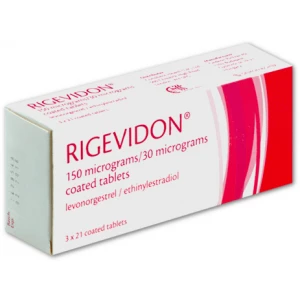
Rigevidon Pill

Rigevidon Pill

  • No Prescription Required
  • Registered prescribers are on hand
View Treatment
Zoely Combined Pill

Zoely Combined Pill

  • No Prescription Required
  • Registered prescribers are on hand
View Treatment
Customer Service