Mounjaro - weight loss price changes ahead. Explore your options

Asthma

Asthma is a common lung condition which causes occasional and often debilitating breathing difficulties.
Prescription Doctor can offer treatment for asthma that can be delivered straight to your home safely and discreetly.
To learn more about the causes and treatments of asthma, continue reading. Alternatively, you can proceed to the medical form below.

View treatments Read more Learn how we work
Discreet and private service
No prescription required
How Our Service Works
Fill simple medical questionnaire
Doctor reviews and issues prescription
Medication sent In discreet packaging
Available Treatments
Qvar 50mcg beclometasone preventer inhaler 200 actuations

Qvar

Rated 0 out of 5 based on 0 reviews
  • Prevents asthmatic symptoms
  • Available in different inhalers
  • Next day delivery

Prices from £18.99

Seretide 100 accuhaler dry powder inhaler 60 blisters

Seretide

Rated 0 out of 5 based on 0 reviews
  • Regular treatment of asthma
  • Relieve Chronic Obstructive Pulmonary Disease
  • Avaiable Online

Prices from £29.99

Atrovent 20mcg preventer inhaler 200 doses

Atrovent

Rated 0 out of 5 based on 0 reviews
  • Prevents bronchospasm
  • Available for repeat order
  • Dispensed from UK registered pharmacy

Prices from £24.99

Symbicort Turbohaler 100/6 dry preventer inhaler 12 doses

Symbicort Turbohaler

Rated 0 out of 5 based on 0 reviews
  • Prevents asthma symptoms from occurring
  • Counts remaining doses
  • Active ingredient budesonide

Prices from £44.99

GSK Ventolin Evohaler 100mcg salbutamol 200 doses

Ventolin

Rated 3.6 out of 5 based on 7 reviews
  • Relieves symptoms fast
  • Evoholer and Accuhaler
  • Active ingredient salbutamol

Prices from £12.99

Airomir salbutamol inhaler 200 doses

Airomir

Rated 0 out of 5 based on 0 reviews
  • Relieves bronchospasm
  • Pump actuated inhaler
  • Contains salbutamol

Prices from £19.99

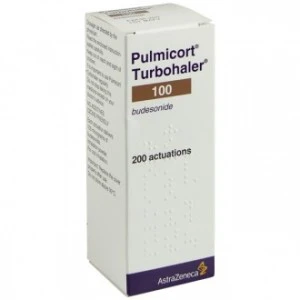
Pulmicort turbohaler 100mcg budesonide 200 actuations

Pulmicort Turbohaler

Rated 0 out of 5 based on 0 reviews
  • Prevents asthmatic symptoms
  • Easy to use Turbohaler
  • Active ingredient Budesonide

Prices from £34.99

Clenil Modulite 50mcg beclometasone brown preventer inhaler 200 doses

Clenil Modulite Inhaler

Rated 0 out of 5 based on 0 reviews
  • Used daily to prevent asthma symptoms
  • Pump actuated inhaler
  • Contains Beclometasone

Prices from £18.99

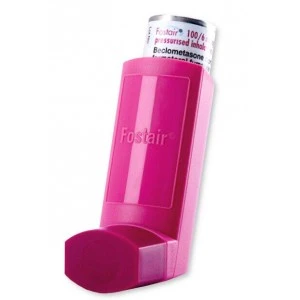
Fostair pink inhaler 100/6mcg

Fostair Pink Inhaler

Rated 0 out of 5 based on 0 reviews
  • Combined asthma treatment
  • Prevents bronchospasm
  • Available via next-day delivery

Prices from £48.99

Bricanyl turbohaler 0.5mg/dose dry powder inhaler 100 doses

Bricanyl Turbohaler

Rated 0 out of 5 based on 0 reviews
  • Fast relief from symptoms
  • Easy to use dry inhaler
  • Available from our UK pharmacy

Prices from £33.99

Ivax Salamol CFC-Free 100mcg salbutamol inhaler 200 doses

Salamol cfc free inhaler

Rated 5.0 out of 5 based on 3 reviews
  • Salamol is used to treat asthma
  • Same ingredient as Ventolin
  • Used for asthma and COPD

Prices from £18.99

What is Asthma?

Asthma is a chronic lung condition which causes occasional and often debilitating breathing difficulties. It tends to start in childhood but can affect individuals of all ages.

Asthma tends to be hereditary, particularly if there's a history of smoking and allergies. Adults can also suffer from Asthma and associated conditions such as COPD, especially if they smoke or are exposed to irritants.

According to the British Lung Foundation, around five million individuals in the UK are affected by asthma. While there's no cure for asthma, treatments can manage your symptoms so they don't negatively impact your life.

If you are not sure if you have asthma, it's important to speak to your GP. Your doctor may be able to diagnose you with asthma or refer you to a specialist who can diagnose you.


What is COPD?

Chronic Obstructive Pulmonary Disease (COPD) is a progressive lung disease that causes your airways to become inflamed, restricting oxygen flow to the lungs.

When this occurs, the body tissues in the lungs receive less oxygen, making it more difficult to exhale carbon dioxide. If left untreated, you become short of breath, making it difficult to stay active.

Sometimes individuals will have symptoms of both emphysema and bronchitis; therefore, doctors like to refer to the condition as COPD. But, other doctors still believe a person can still have chronic bronchitis even if they don’t have airway obstruction, an important COPD characteristic. Your physician will give you details about your condition and how to treat it most effectively.

Many cases of COPD are preventable and treatable. Some medicines prescribed for asthma to reduce inflammation in the lung can also help those suffering from chronic obstructive pulmonary disease.


What Causes Asthma?

It's unknown why certain individuals develop asthma, and others don't. However, it's likely due to genetics and environmental factors. Many believe our lifestyle choices can be a contributing factor to developing asthma.

These lifestyle choices include:

  • Diet
  • Housing
  • Environment

Certain substances and irritants can trigger allergies which can trigger asthma symptoms.

Triggers of Asthma

Asthma triggers vary among people and may include:

  • Respiratory infections like a cold
  • Airborne substances like dust mites, pollen, pet dander or mould spores
  • Cold air
  • Cockroach waste
  • Air irritants and pollutants like smoke
  • Strong stress and emotions
  • Certain medicines like aspirin, beta-blockers, naproxen (Aleve) and ibuprofen (Motrin IB and Advil)
  • Preservatives and sulphites in certain foods and drinks like dried fruit, shrimp, beer and wine and processed potatoes
  • Physical activity
  • Gastroesophageal reflux disease (GERD)

Symptoms of Asthma

Asthma, as mentioned, inflames the airways, which can cause people to have long-lasting inflammation requiring constant management, usually with lifestyle choices and medications. An asthma attack can occur at any moment. When you have mild symptoms, they will likely only last for several minutes; if your asthma symptoms are more severe, they can last for hours or even days.

Common asthma symptoms include:

  • Wheezing
  • Coughing
  • Chest tightness
  • Rapid breathing
  • Shortness of breath

Many things trigger these symptoms. However, chances are its asthma if they:

  • Get worse in the morning and at night
  • Happen frequently and continue coming back
  • Occur after exercise or due to an allergen like animal fur or pollen

If you suspect you have asthma (or your child), or if you do have it and it’s difficult to control, see your doctor.


What is an Asthma Attack?
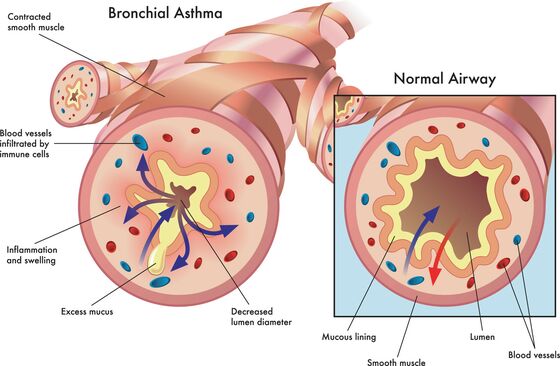
medical illustration of the effects of bronchial asthma

An asthma attack is when your symptoms suddenly worsen. You may feel a tightening around your chest due to your swollen airways, making breathing difficult. In more serious cases, you may experience dizziness, confusion, and your fingers and lips may turn blue.

Asthma attacks can occur due to stress, anxiety or exposure to irritants and smoke.

It is important to understand how to manage these symptoms. Reliever inhalers such as Salbutamol are effective remedies in treating acute asthma attacks. Usually, one or two puffs, inhaled immediately upon attack, can provide relief of symptoms.

How to Manage Asthma

Managing your asthma can reduce the risk of having asthma attacks and improve your quality of life. Avoiding known irritants like aerosols and dust, wearing a scarf over your nose and mouth in cold weather, and staying vaccinated against influenza and pneumonia during the winter can drastically reduce your chances of having an asthma attack.

Asthma medication such as inhalers, nebulisers and pills can also offer both short-term and long-term relief and protect your lungs from damage from frequent asthma attacks.


Treating Asthma

Different coloured inhalers

Inhalers are common treatments for asthma. These are a device which administers the medicine by breathing it in.

Asthma inhalers can deliver a dry powder or an aerosol spray, which requires different techniques to take them. Your doctor will show you the correct technique to take your inhaler.

Inhalers are grouped by action and colour coded to denote their mechanism.

Blue inhalers

Short-acting beta-2 agonists (SABAs) - also known as "reliever" or "rescue" inhalers - are typically coloured blue.

These inhalers are used to quickly relieve asthma symptoms when they arise.

Blue reliever inhalers include:

Brown inhalers

Brown inhalers are usually long-acting corticosteroid inhalers and are taken to prevent asthma symptoms from developing.

These include:

Purple inhalers

Inhalers which contain both a corticosteroid and a long-acting muscarinic antagonist (LAMAs) are typically purple or lilac.

Examples of these include:

Pink inhalers

Pink inhalers are similar to purple inhalers in that they combine two classes of medicines.

These inhalers contain both a corticosteroid and a long-acting beta2 antagonist (LABAs) and are used as preventer inhalers.

Fostair belongs to this group of inhalers.


What are the benefits of treating asthma?

When you manage your asthma well, you should be free of your symptoms. Although it may be harder to control severe asthma, the aim of treatment for most asthma patients is to manage the condition so that:

  • Your asthma doesn't wake you up at night.
  • You don't get symptoms during the day.
  • You don't suffer with any asthma attacks.
  • You don't require an inhaler.
  • Your asthma doesn't interfere with your daily life.

When you manage your asthma well, you won't need your inhaler as much. Your doctor will also be able to prescribe you the lowest dose of medication to keep your symptoms under control.

You'll even save money if you're not paying for a lot of prescriptions to keep your asthma under control.

Your asthma doesn't just affect your physical health. It also can hugely affect your whole life and those around you. Therefore, other benefits of managing your condition are:

  • You can exercise, travel and do other things without being worried your asthma symptoms will interfere
  • The people you love will worry less about you
  • You won't miss out on being able to play with your kids or other aspects of family life
  • You won't require as much time off of work because of your symptoms

If your asthma is under control, your doctor could prescribe less medication to treat your symptoms. This improves your quality of life, allowing you to be more active without worrying that your asthma will interfere, but it can also save you money as you will not be paying for lots of prescriptions to treat your symptoms.

Asthma Alternatives

Ventolin

Ventolin

  • Relieves symptoms fast
  • Evoholer and Accuhaler
  • Active ingredient salbutamol
View Treatment
Bricanyl Turbohaler

Bricanyl Turbohaler

  • Fast relief from symptoms
  • Easy to use dry inhaler
  • Available to buy online
View Treatment
Airomir

Airomir

  • Relieves symptoms fast
  • Pump accuated inhaler
  • Active ingredient salbutamol
View Treatment
Atrovent

Atrovent

  • Relieves symptoms fast
  • Pump accuated inhaler
  • Active ingredient salbutamol
View Treatment
Symbicort Turbohaler

Symbicort Turbohaler

  • Relieves symptoms fast
  • Pump accuated inhaler
  • Active ingredient salbutamol
View Treatment

Additional Resources

PAGE

Weight Loss

If you’ve heard about Mounjaro and its potential impact on weight loss, you’ll likely have several questions to help you determine whether the medication would be a good option for your circumstances. One of these may involve how much of the solution you’ll need to use during the course of your journey.Weight loss injections like Mounjaro and Wegovy work in stages, gradually increasing (titrating) the strength of the medication until you reach the optimum (“maintenance”) dose. This is done to help your body cope with the side effects the treatment can cause. So, how much Mounjaro will you need to take?Whether you’re just starting out, or considering switching from another treatment, this guide will help you navigate the ins and outs of Mounjaro dosage for weight loss — so you can make informed decisions. Let’s get started. [medical_form product_id="437" text="START YOUR MOUNJARO CONSULTATION TODAY" type="button"]How Does Mounjaro Help You Lose Weight?Mounjaro’s active ingredient, tirzepatide, supports weight loss by mimicking the effects of two natural hormones that are produced in the body when you eat. Known as glucagon-like peptide-1 (GLP-1) and gastric inhibitory peptide (GIP), these chemicals control your appetite and make you feel fuller for longer — helping you reduce food intake and making it easier to follow a calorie-controlled diet.Tirzepatide also improves insulin regulation, which can lower the amount of glucose (sugar) and fat that’s stored within the body. This is why Mounjaro is also used in the treatment of type 2 diabetes.  By increasing insulin sensitivity and reducing hunger pangs, Mounjaro can result in gradual and sustainable weight loss when combined with a healthy diet and active lifestyle. What is the Mounjaro Starting Dose?The starting Mounjaro dose for weight loss is 2.5 mg per week, regardless of whether this is the first time you are using it or you are switching from another weight loss medication. This low strength helps your body get used to the medication gradually.Clinical trials have proven that Mounjaro is most effective for weight loss when the recommended maintenance dose is taken on a weekly basis. For example, at the highest tolerated strength of 10 or 15 mg per week, study participants lost 18.4% more weight on average compared to a placebo group. This strength cannot be handled straight away, however, so the dosage is gradually increased over time. It may take you longer to reach the maximum potency than is standard, or you could feel that you’re noticing sufficient progress with a weaker concentration and might not want to move any higher. Everyone’s experience is different.   What is Mounjaro Titration?Mounjaro titration is the process of gradually increasing the dose of tirzepatide you administer into your body. Each level is represented by a different coloured injection pen, which you will typically cycle up through every four weeks until you reach the maximum potency. Why Do You Have to Increase Mounjaro Dose?Like most weight loss medications, Mounjaro does come with a range of potential side effects. To help you safely reach the maximum and most effective dosage, while also enabling your body to adjust to the medication, it’s important to gradually increase the potency of your injection.Common Mounjaro side effects include:feeling sick (nausea) being sickdiarrhoeastomach painconstipationWhat is the Mounjaro Maintenance Dose for Weight Loss?The term ‘maintenance dose’ refers to the strength of medication you’ll stay on for the majority of your journey. Mounjaro has three such levels, 5 mg, 10 mg, or 15 mg. Which one is right for you will depend on how well your body responds to the medication, both in terms of weight loss and the handling of side effects.If you titrate up to the maximum maintenance dose of Mounjaro, you’ll be injecting 15 mg each week. It’s not recommended that you take any more than this. Should you have previously settled on a lower maintenance dose, but feel like you have hit a plateau and want to increase the strength, you are able to do so as long as it has been four weeks since your last titration.  {add_product_block(437)} The Mounjaro Dosing ScheduleMounjaro doses are titrated in increments of 2.5 mg, with at least four weeks between each increase. You’ll start at 2.5 mg, even if you’ve taken other medications before, and keep moving upwards until you reach your chosen maintenance level or the maximum strength of 15 mg per week.You may need to remain on a lower dosage for longer than four weeks if you’re:  Struggling with side effects and need more time to adjust to themFeeling satisfied with your weight loss progress and don’t feel the need to increase the strengthMounjaro Dosage ChartThe Mounjaro dosage chart below clearly displays how your journey will typically look. It’s important that you regularly check in with your clinician to review progress and how you’re feeling to determine whether you should follow this schedule or switch to something more personalised.   How Often Do You Take Mounjaro?Mounjaro should be taken once weekly, on the same day and time. It’s important to choose a schedule that is easy to stick to. This level of consistency is crucial to ensuring you’re getting the right amount of medication for effective weight loss and reducing the potential impact of side effects by keeping the strength at a consistent level. How Many Mounjaro Pens Will I Need?How many Mounjaro pens you’ll need will depend on how long it takes to reach your weight loss targets. Each individual KwikPen comes with four pre-loaded doses that last for four weeks. If you follow the typical schedule, you’ll need six injection pens to reach the highest maintenance level.The table below outlines everything in more detail: WeeksDosage (mg)Number of Pens1-42.5 15-85.0 19-127.5 113-1610.0 117-2012.5 121+15.0 1+ What is the Most Effective Mounjaro Dose?The most effective Mounjaro dosage for weight loss is 15 mg per week, though lower strengths can still have an impact. Monitoring your progress and seeing how your body reacts to the different potencies will help you find the right level for your circumstances.According to one clinical trial, the average weight loss on Mounjaro over 72 weeks was as follows:22.5% at the highest maintenance dose of 15 mg/week21.4% at 10 mg/week16% at 5mg/week2.4% with a placeboHow to Take Your Mounjaro DoseMounjaro is supplied as an injectable pen with four pre-filled doses, so you don’t need to draw up the medication beforehand. The treatment can be administered into your thigh, abdomen, or the back of your other arm  — though you may need someone to help with the latter location. It’s important to rotate injection sites to reduce the risk of irritation.You can find out more about how to take your Mounjaro dose in our dedicated guide. Wegovy vs Mounjaro Doses: How They CompareBoth Mounjaro and Wegovy are popular weight loss treatments that are administered in the same way, as once-weekly injections which titrate every four weeks. That being said, there are some distinct differences between the Wegovy dosing schedule and the Mounjaro regimen, as shown below:  WeekMounjaroWegovyStarting Dose1-42.5 mg0.25 mgDose 25-85.0 mg0.5 mgDose 39-127.5 mg1.0 mgDose 413-1610.0 mg1.7 mgDose 517-2012.5 mg2.4 mgMaximum Dose21+15.0 mg The values listed in italics indicate the various maintenance doses that are available for each of the two treatments. If you’d like a more detailed comparison between Mounjaro and Wegovy, please check our dedicated guide. Mounjaro Dosage FAQsIf you have questions about the right Mounjaro dose for weight loss, you’re not alone. Many people are curious about the best way to use this medication, when it should be taken, and what to do if you miss a dose. Below, we’ve answered some of the most common questions to help you get the most out of Mounjaro treatment. Can You Start Mounjaro at 5 mg?No, everyone must start on the lowest Mounjaro dose of 2.5 mg per week for at least the first four weeks of treatment. This is the case whether you’re switching from another weight loss medication or have used Mounjaro in the past.Once you’ve completed the first four weeks, you can titrate up to 5 mg if you feel that you’re comfortable dealing with the side effects of the treatment. It’s important that you take everything at your own pace, regularly checking in with your clinician who can help you monitor progress. Can You Stay on 2.5 mg of Mounjaro?Ideally, you shouldn’t stay on the 2.5 mg dose of Mounjaro. The lowest recommended maintenance level is 5 mg per week, so you need to titrate at least once. If you’re struggling with the side effects caused by the starting strength and don’t want to increase, your clinician may recommend an alternative treatment.Although it is possible to lose weight with the 2.5 mg dose of Mounjaro, the medication will be much more effective if you titrate at least once to the first maintenance strength. It’s extremely rare that a clinician will agree to keep you at the starting level. How Long Can I Take Mounjaro For?There’s no time limit when it comes to how long you can take Mounjaro for. Clinical research has shown that the medication is safe for long-term use, so you should be fine to continue with the treatment until you reach your weight loss goals. When is the Best Time to Take Mounjaro?There’s no best time to take Mounjaro. It can be administered at any point during the day, with or without food — though some people like to have a meal beforehand to try and combat side effects. The true key to success is consistency, so it’s important to create a schedule you’ll be able to stick with in the long-run.If you’re prone to forgetting when it’s time to take medication, you may find it useful to set alarms or use a reminder app to keep you on track.  {add_product_block(437)} Can I Change My Mounjaro Injection Day?Yes, you can change your Mounjaro injection day if you’re struggling to keep to your current schedule. However, you must wait at least three days (72 hours) after your last dose before you make the switch. You should try not to amend your itinerary too often, as this can reduce the effectiveness of the medication.For example, if you usually inject your medication on a Monday at 9am, but want to change to Wednesday at 9am, you’ll need to wait until the following Wednesday (9 days).What Happens if You Miss a Dose of Mounjaro?How you deal with missing a Mounjaro dose depends on how long it’s been since your last injection:Four days or less: Take the missed dose immediately and revert back to your usual schedule for the following weekMore than four days: Skip the dose you missed and administer the next one at your normal day and timeIt’s essential that you don’t double-dose on Mounjaro to make up for a missed injection, as this can increase the risk of adverse effects. Can I Split My Mounjaro Dose?No, you must never split your Mounjaro dose, as this means you’re not getting the correct amount of medication. This will render the treatment less effective and could make your weight loss journey take even longer. Splitting doses regularly also puts you at risk of more severe side effects.For safety reasons, it’s important that you don’t leave a needle in a pre-filled pen for any length of time. Instead, it should be removed after each and every injection. Can I Take my Mounjaro on Holiday?Yes, it is possible to travel with Mounjaro. There are several factors to take into account, such as ensuring the pen remains below 30°C and isn’t exposed to direct sunlight. You’ll also need to work out how you’re going to store the medication while you’re away and be wary of any restrictions imposed by your destination country.Any medications, including weight loss treatments, should be kept in your hand luggage for the duration of your journey. You may also want to consider investing in a storage bag to keep your Mounjaro refrigerated. Finally, it may be necessary to show proof of your prescription and medical insurance  — so it’s important to ensure you’re fully prepared before you travel. Start Your Mounjaro Journey Today with Prescription Doctor: Your Trusted Weight Loss PartnerEmbarking on your weight loss journey with Mounjaro is a big step, and starting with a trusted and reliable partner like Prescription Doctor can make all the difference. Our clinicians are here to ensure that you receive expert advice and care throughout your treatment plan.From ensuring you’re on the most suitable Mounjaro dosage for weight loss, to providing helpful guidance on dealing with side effects or even recommending a healthy meal plan, we have the expertise you need to maximise results.Since 2013, we’ve been helping people just like you to make the most of their journey and achieve lasting results. Our dispensing pharmacy is also fully-regulated by the General Pharmaceutical Council (GPhC), so you can be completely confident in the service we provide.Ready to take the first step? Start your Mounjaro weight loss journey today with our simple online consultation.  Sourcesemc, (2025). Mounjaro KwikPen 2.5mg solution for injection in pre-filled pen.emc, (2024). Wegovy 2.4 mg, FlexTouch solution for injection in pre-filled pen.Nature, (2023). Tirzepatide after intensive lifestyle intervention in adults with overweight or obesity: the SURMOUNT-3 phase 3 trialNEJM, (2022). Tirzepatide Once Weekly for the Treatment of Obesity. 
Read more →
Weight Loss
PAGE

asthma

Over 5.4 million people in the UK suffer from asthma and, for many, it is a disease that affects every aspect of their lives. Although there is no cure, asthma is treatable and, with good management, can be kept under control, allowing anyone to live a full and active life. The first, and most critical, step to living with asthma is being aware of your asthmatic triggers. These are outside stimuli that cause an abnormal reaction in a person’s immune system and it is these reactions that can bring on asthma attacks. Allergic reactions are often treatable, via antihistamines or allergy shots. For the best diagnosis on allergens, always consult a doctor. The next step is prevention. This is a critical step to fighting asthma triggers. Using a preventive inhaler every day, if one has been prescribed to you, is the best weapon against asthma attacks. Remind yourself to use a brown inhaler with these techniques: Set a daily reminder on your phone Leave a sticky note reminder somewhere you will see it, such as on the mirror or next to your keys Put your preventive inhaler somewhere easy to spot, such as on a bedside table or with other medications you take. Make it part of your daily routine by taking it at a set time each day, like just after brushing your teeth. Know your surroundings. Allergens such as pollen, mould and animal dander are everywhere, so being aware of these asthma triggers can be critical to help prevent an asthma attack, both at home and in the workplace. Remember to keep a blue inhaler on hand just in case. Always make sure to keep an inhaler in a pocket or handbag whenever leaving the house. Another quick and easy step is to inform those around you about your asthma. Let them know about your symptoms and where you keep your blue reliever inhaler, making sure they know which inhaler you need. This is particularly valuable in the workplace. Although asthmatics aren’t obliged to inform their employers about their condition, it is highly recommended that all first-aid personnel are informed and trained to be able to help those who suffer an asthma attack. The vast majority of jobs can be done by a person with asthma with no particular difficulties, though always be aware of possible asthmatic triggers. If these triggers are present, it is possible to have them removed by informing an employer or a member of Human Resources. Some jobs, however, do have minimum fitness requirements, such as the armed forces. If you have received treatment for asthma within the last four years, you are not eligible to join a branch of the armed forces. There are still many support positions available for asthma sufferers who wish to serve. These restrictions should not prevent asthma sufferers from looking after their physical health though. In fact, regular exercise can be an excellent for asthma sufferers. A good diet and a balanced exercise regime can help strengthen the body, improving the lungs and increasing stamina, to reduce most asthma symptoms. In addition, this exercise can strengthen the immune system, which will help fight off asthma-triggering colds. Government guidelines recommend 150 minutes of exercise a week for adults. This can be a mixture of strenuous and moderate exercise, though a well-rounded exercise regime is most effective. Most importantly, minimise the amount of time spent stationary behind a desk. Finally, make sure you are registered with your nearest doctor and that they are fully aware of your condition. This is a simple process but can make all the difference when it comes to treatment after an attack. Through planning and consideration, asthma can become an easily manageable disease. No matter what lifestyle you lead, get rid of the worry of asthma attacks and live your life to the fullest.
Read more →
asthma
BLOG

Hair Loss

Hair loss, or androgenetic alopecia to give it its correct name, is something that around half of men over 50 will experience in some form or another. While women can also lose their hair, – studies suggest that eight million women in the UK have this issue – the condition is more prevalent in men.The commonly shared social belief is that hair loss is just ‘one of those things’ which happens due to genetics. However, there is a greater understanding of the causes of hair loss, giving way to revolutionary treatments available to slow down or halt hair loss in both men and women.Reasons To Prevent Hair LossFor some, the idea of losing their hair is a cause of deep upset and anxiety. In society, hair is often seen as a sign of vitality and youthfulness. Furthermore, hair can be an iconic part of your personality and be used as a form of self-expression.To some, losing your hair can be a sobering reminder of ageing, and thus a depressing prospect. Additionally, hair loss can bring down your confidence and adversely affect your self-esteem. So it’s unsurprising why people want to protect the hair they have and prevent their hair from falling out.The Hair Loss CycleEveryone goes through a hair loss cycle which ends, as mentioned above, in losing some hair – around 100 strands per day.Anagen PhaseThe anagen phase is the growth phase, and it is the time between the start of the hair growth and when the hair reaches its full length.Catagen PhaseThe catagen phase is the transitional phase that lasts only about 10 days. It’s where the hair begins to get weaker.Telogen PhaseThe telogen phase is where the hair falls out. The follicle left behind will not grow hair again for around three months, and after that the cycle repeats.Causes of Hair LossHuman beings naturally lose up to 100 hairs every day, and it doesn’t leave a physical mark although mentally it can be a strain. Causes of hair loss include:GeneticsIllnessIron deficiencyLifestyle choices such as smokingStress and anxietyChemotherapyMedication (side effects)Rapid weight lossIf the hair loss you are suffering from is hereditary, then there are drugs that can be taken such as Finasteride which will prevent further hair loss.StressThe stress hormone, cortisol, makes the hair that is already grown move into the telogen part of the cycle much more quickly. Some stress sufferers also develop the habit of playing with their hair, or even pulling it out completely, as a coping mechanism. This is called trichotillomania and this will remove hair or weaken it as well. Plus, stress can cause problems with appetite, and if you aren’t consuming enough vitamins and minerals your hair will become weak and fall out more readily.Reducing the stress in your life is perhaps easier said than done, but it is something to look into more thoroughly, with expert help, if this is an issue.SmokingMany people who smoke don’t notice any considerable hair loss at all but it can cause issues and may exacerbate hair loss for some people, particularly if they are already suffering from stress, hormonal changes, or illness.Smoking can cause issues with circulation. Your blood carries vitamins, nutrients and, most importantly, hormones around your body. So it’s understandable that poor circulation can affect the amount of nutrients delivered to your hair follicles and affect hair growth. This can mean that the scalp is unable to get enough blood to it to form complete follicles and grow hair, and it can weaken the follicles that are already there.Quitting smoking is an excellent idea for many reasons and if you are particularly prone to hair loss it may help you.Hormonal ChangesThe male sex hormone known as testosterone, which is present in both men and women, plays a vital part in the maintenance of hair. Testosterone is converted into dihydrotestosterone which can cause hair follicles to become inactive – hair will no longer grow.When women go through the menopause they will produce less oestrogen and more testosterone. In turn, the testosterone will be turned into dihydrotestosterone, which can effect the hair follicles and cause the hair follicles to shrink.It is wise to speak to your doctor if you feel that you are going through the menopause; there are drugs and therapies which can ease the symptoms, balance your hormones, and reduce the hair loss you may be suffering.Hair CareThe causes of hair loss begin much deeper down than any hair care product can reach – it starts in the very roots and follicles. However, using the wrong shampoo and conditioner for your hair type can cause your hair to look thinner, even if it is not.Always ensure that you are using the correct hair care products for your hair type. If you are unsure, speak to your hairdresser to get professional information.A hot shower is also bad for the hair, making it brittle and dehydrated. When washing your hair, turn the temperature down a little so that you are using warm water instead of hot. Interestingly, not washing your hair enough can cause hair loss. The build up of grease and dirt can cause follicles to become weak and even inactive.Using hot tools on your hair including straightening irons and hair dryers can dry out the strands and lead to hair loss. Don’t use these tools every day, but instead use them two or three times a week. This will help your hair to become stronger.While hair styles can be expressive of your personality, they can pose a threat to your hair. Over time, mechanical stress on hair strands can damage hair follicles. Hair styles such as buns, ponytails, cornrows and other hair styles which pull your hair back can cause stress on your hair follicles.It is recommended by the American Academy of Dermatologists to loosen hair styles around the hair line to relieve excessive stress which might damage hair follicles.Treating Hair LossDepending on the severity of your symptoms, and the stage of your hair loss, there are a number of treatments for hair loss.Wigs, toupees and hair extensions are the simplest treatment for both men and women. Synthetic wigs can be relatively inexpensive, though may need to be replaced regularly. While there are wigs made from real human hair, they are much more expensive and require a high level of maintenance.Hair transplants are another option, though these are only available from private clinics and can cost upwards of £20,000, depending on the severity of hair loss. Moreover, they are only suitable for people with hereditary baldness and not for people with patches of balding (alopecia areata).Finally, there are medicines which can be taken to treat hair loss.For men, there’s Finasteride (Propecia) – a prescription medicine which is taken daily to slow down the hair loss cycle. This treatment is statistically proven to slow down the rate of hair loss and has shown to regrow hairs in some cases. Finasteride is only suitable for men and should not be taken by women.Alternatively, there’s Minoxidil. Unlike Finasteride, Minoxidil is available over-the-counter and is often sold under the brand Regaine and is available as a foam or a topical solution which is directly applied to the hair. Minoxidil is suitable for both men and women.Before seeking any treatment for hair loss, it is incredibly important to seek medical advice from your doctor beforehand. Your doctor will not only be able to provide information on hair loss treatments to ascertain which treatment is most suitable for you, but can also offer practical advice for managing stress and anxiety, which may be attributed to your hair loss.    
Read more →
Hair Loss
BLOG

How to lose weight during the menopause?

It is common for women to gain weight as they get older, especially during the menopausal phase. If you are going through menopause, you may find it challenging losing weight now compared to before. To deal with this, there are a few proactive steps you can take to help make your weight loss efforts easier.What causes weight gain during menopause?There are a few factors that make women gain weight as they go through menopause. Change in hormone level During menopause, oestrogen levels in women start to drop gradually. This causes the body to store more fat than before, especially around the midsection areas. Natural ageing As people age, they usually become less active and their metabolism slows down as well. These factors combined cause a reduction in muscle mass, making it easier for the body to store more fat. Poor sleep Women experience symptoms like hot flashes and night sweats during menopause, which can cause sleep deprivation. A lack of good quality sleep over time can cause weight gain. Gaining weight around the waistline and especially at menopausal age can increase your risk of certain conditions like diabetes, heart diseases and cancer. Therefore, it is important to address weight gain during menopause as soon as possible.Weight loss tips during menopauseIt may be more challenging losing weight during menopause because of age and hormonal changes, but there are some strategies you could use to help you beat weight gain during this phase.Increase physical activityNatural ageing and menopause can slow down your body’s metabolism over time. A good way to address this is to increase your physical activity levels, making sure to add in exercises that build muscle and reduce body fat like resistance training and weight lifting exercises.Eat healthy meals A vital part of losing unhealthy weight requires you to eat fewer calories than your body needs daily. You can start with weekly meal planning and avoiding junk food, which mostly contain unhealthy (empty) calories. You should always aim to eat and fill up on healthy food portions with fewer calories like whole grain foods, protein, fruit and vegetables.Join weight loss groupsWeight loss groups provide support and accountability to help you make and keep your weight loss goals. The NHS has a free 12 week weight loss plan with weekly diet and exercise goals, including an online weight loss community to support you through the process.Make key lifestyle changesIn addition to losing unhealthy weight, you should also plan to maintain your weight loss long term. Certain lifestyle changes can help you keep the weight off over time. For example, you can quit smoking, reduce your alcohol intake to moderate levels, drink more water every day and ensure you get good quality sleep at night.Consider additional methodsIn addition to healthy lifestyle changes, there are weight loss pills that can help to reduce fat storage in your body. However, it is important to always consult with your GP first and remember that weight loss pills are only effective with a healthy diet.    
Read more →
How to lose weight during the menopause?


How Can Prescription Treatment Help Me?

Asthma medicine plays an important role in how effectively you manage your condition. It prevents asthma attacks. It helps reduce the inflammation of your airways, making them less likely to have a reaction to triggers. With the proper medicine, you can live a normal and active life.

Frequently Asked Questions about Asthma and Asthma Treatments

1. How do you treat asthma?

Once you receive your initial diagnosis, your doctor will prescribe treatment depending on the severity of your symptoms and how long you've had them.

2. Are there any side effects of asthma medications?

There is always a risk of side effects from any medication, including asthma medications. However, most individuals don't experience any side effects or very few. Your doctor will only prescribe you medication if they believe the benefits outweigh the risks.

3. Do asthma attacks cause damage to the lungs?

If your asthma attacks are frequent, it could lead to your airways becoming narrower and scarred. Doctors refer to this as "airway remodelling". To prevent this type of lung damage, quit smoking and take all medications, including inhalers as prescribed.

4. If I'm pregnant with asthma, can my baby get asthma too?

The exact cause of asthma is not known. However, the condition is often genetic. Your baby has a higher chance of developing breathing problems or asthma if:

  • You either smoked while pregnant or smoked around the baby
  • Both your partner and you have asthma
  • If there's only one parent with asthma, the baby is at higher risk if the mother has asthma.

5. Can an asthma attack kill you?

Asthma UK reports that one person has a life-threatening asthma attack every 10 seconds. While most asthma attack sufferers seek help and get better, these attacks kill three people daily in the UK.


Cautions and Exclusions

If you're intolerant or allergic to Salamol, Atrovent, Ventolin or Clenil Modulite or any of the ingredients in them, you shouldn't use any of them. Always inform your prescriber about all medications you're on and previous medications. Also, inform them about any medical conditions you have as well.

Authored & Reviewed By

Mohamed Imran

Mohamed Imran Lakhi

Content Administrator
This content has been written and checked for quality and accuracy by Lorem Ipsum is simply dummy text of the printing and typesetting industry. Lorem Ipsum has been the industry's standard dummy text ever since the 1500s

Published on: 15/03/2018 Reviewed on: 21/05/2025
Customer Service